

Billing codes in physical therapy work as the main language healthcare providers use to document what treatments they’re giving patients. Rehab facilities frequently utilize the 97110 CPT Code. It is for therapeutic exercises, which are active exercises used by therapists to assist patients improve their strength, endurance, joint mobility, and ease of daily duties.
Understanding the 97110 cpt code goes way beyond just memorizing a number. You’ve got to know how it works in real practice, what kind of documentation you need, how to stay on the right side of insurance requirements, and what the evidence says about these treatments. This matters whether you’re a PT, OT, someone on the billing team, or running a clinic. Getting the 97110 cpt code right means patients receive quality care and your practice gets reimbursed properly.
Characterizing the 97110 CPT Code
The 97110 cpt code precisely designates “therapeutic procedure, one or multiple body areas, each 15-minute unit; exercise-based treatment addressing strength building and endurance cultivation, joint motion capacity and tissue flexibility.” This definition, established by the American Medical Association through the Current Procedural Terminology guidebook, determines the criteria for what constitutes billable therapeutic exercise services.
The 97110 cpt code applies to a lot of different exercise treatments that help fix how someone’s body moves and works. The primary distinction between these exercises and a typical workout is that they concentrate on actual medical issues, such as specific ailments, injuries, or mobility issues discovered by a therapist during an examination.
The 97110 code is used by therapists to lead patients through exercises that target particular joints and muscles. Weight exercises, resistance bands, stretching, aerobics, balance work, and workouts that mimic everyday tasks that patients struggle with can all be included in this.
Clinical Applications and Patient Populations
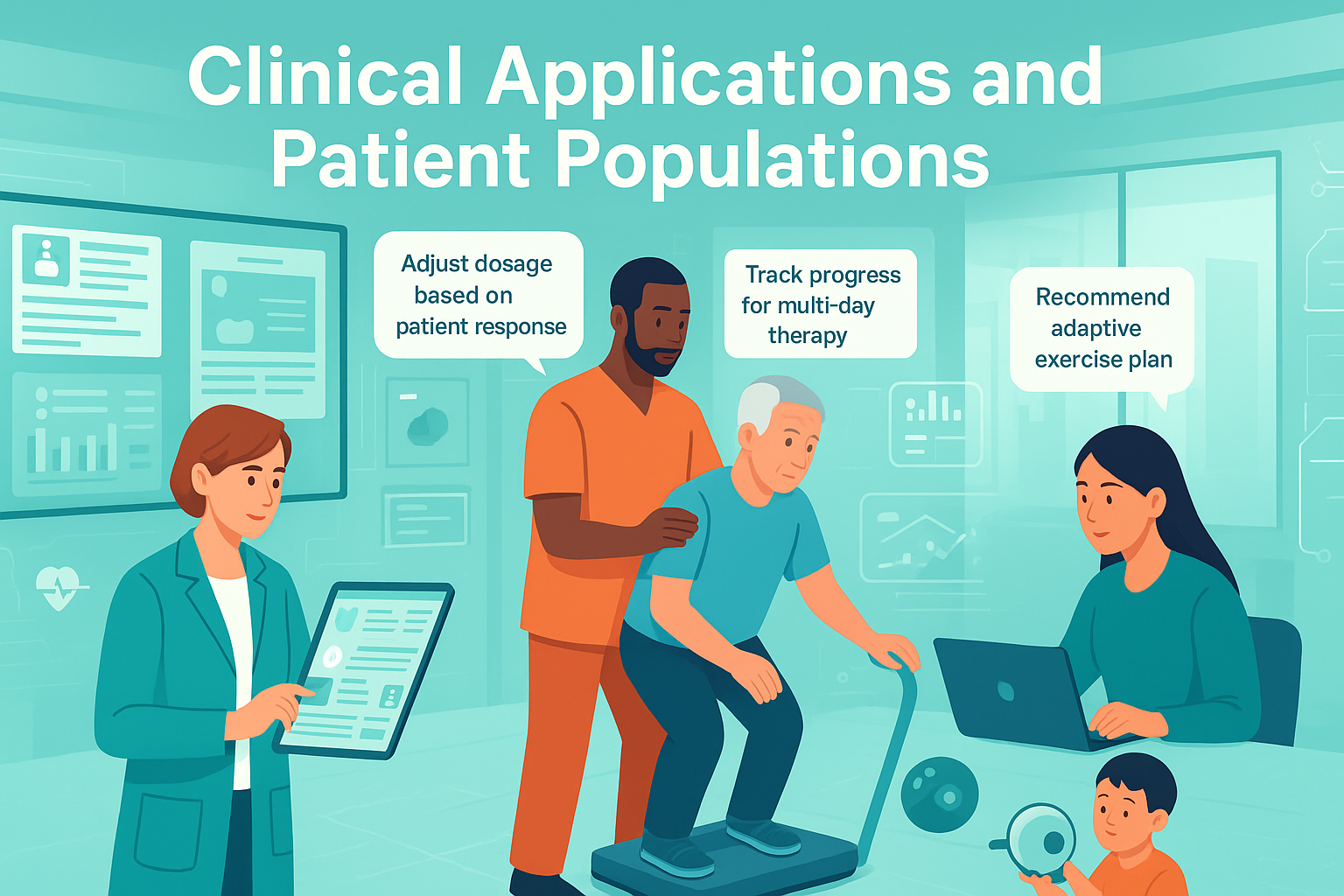
The 97110 cpt code gets used in tons of different medical situations. Rotator cuff tears, ACL surgery, hip and knee replacements, and back issues are common orthopedic conditions. People with arthritis, fractured bones, or tendon issues benefit from exercise regimens that gradually restore strength and mobility.
The 97110 code is also used by neurology patients. Following a stroke, brain injury, spinal cord injury, or nerve loss, exercises assist people regain strength, improved motor control, and independence. These activities also help people with Parkinson’s or multiple sclerosis keep active and decrease the progression of their sickness.
Exercises that enhance breathing, cardiac endurance, and general fitness are also performed using the 97110 code in heart and lung rehabilitation. For folks who are recovering from heart attacks, have COPD, or are getting ready for heart surgery, these supervised activities help them stay safe while enhancing their heart and lung health.
Notes: Guidelines for Accurate Billing
Clear notes outlining the necessity of the treatment and the therapist’s actions are necessary for the proper usage of the 97110 code. The patient’s exercises, their technique (weights, repetitions, sets, duration), and any assistance or guidance from the therapist should all be included in the notes.
Additionally, the notes should demonstrate how these activities address the patient’s unique issues and limitations identified during the evaluation. All of the treatment notes should make it clear how the exercises align with the patient’s objectives and diagnosis. The notes are strengthened and the patient’s continued need for therapy is demonstrated by the use of figures that demonstrate actual improvement, such as improved strength, increased joint movement, longer endurance, or higher scores on functional tests.
The time-based nature of the 97110 cpt code necessitates accurate time recording. Each unit represents 15 minutes of direct, one-on-one therapeutic intervention. The “8-minute rule,” formally known as the CPT Assistant’s substantial portion methodology, governs how therapists calculate billable units. This principle states that providers may bill for services lasting at least 8 minutes through the midpoint of 22 minutes (representing substantial portion of 15 minutes), allowing for one unit billing.
The Distinction Between Other Therapy Codes and 97110
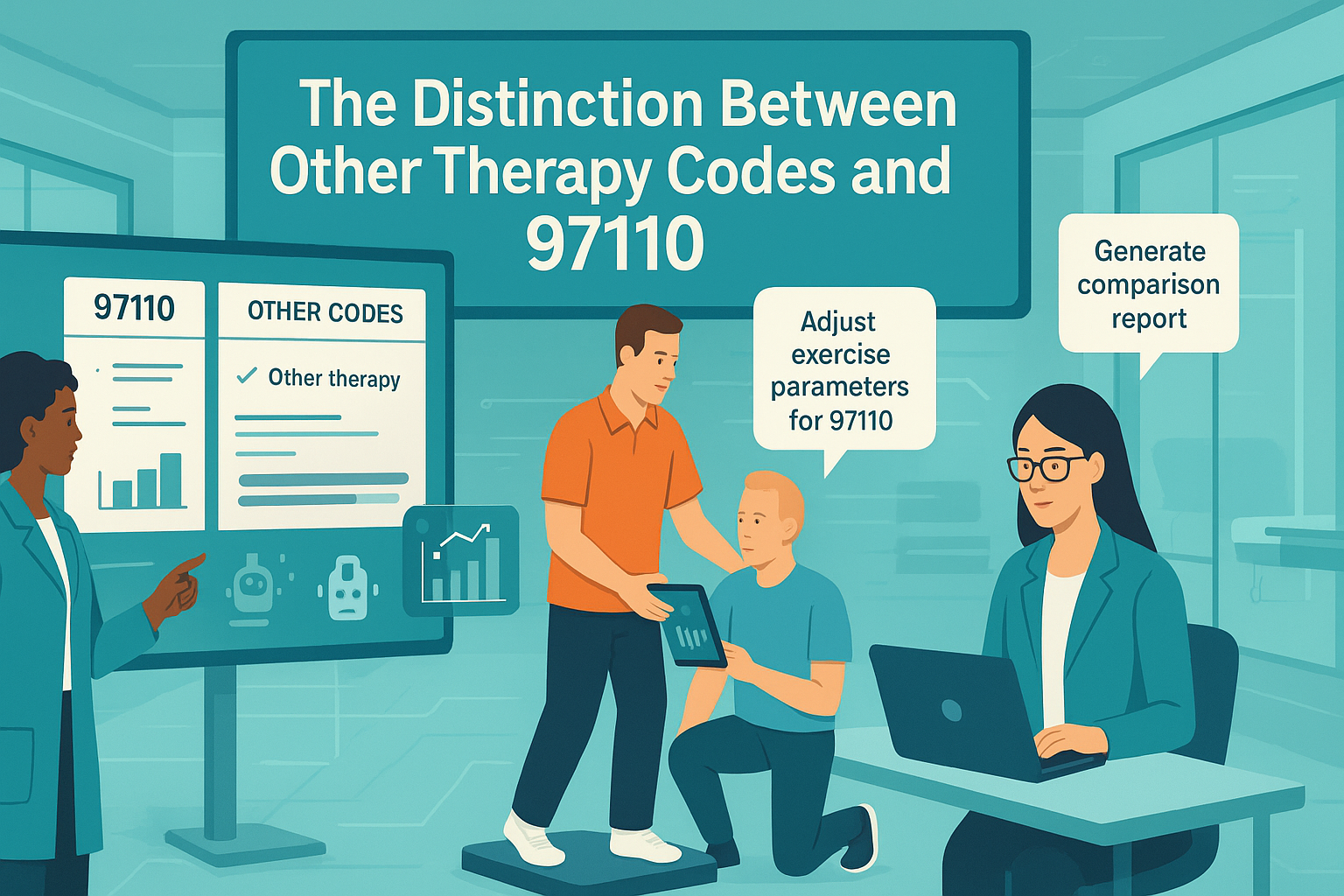
Selecting the correct medical billing code might be challenging because numerous codes resemble 97110. Selecting the correct code is essential to adhering to regulations and receiving compensation.
Neuromuscular re-education (97112) is not the same as 97110. Movement patterns, balance, coordination, posture, and body awareness are the main topics of 97112. Although the primary objective is different, therapeutic activities may also be beneficial for certain issues. 97112 is a better code to use if the primary focus is on body control, movement patterns, or balance using specific approaches.
There’s also a difference between the 97110 cpt code and 97530 (therapeutic activities). Code 97530 is for dynamic functional tasks that actually mimic what patients do at work, home, or during hobbies. Therapeutic exercises typically involve more intricate motions that simultaneously utilize several body systems. Therapeutic exercises typically target particular muscles or movement patterns.
It differs from manual therapy (97140). It involves manipulating joints, massaging soft tissues, or making modifications. If the guidelines are followed, therapists may perform exercises and manual treatment in the same session; nevertheless, separate records and invoices are required for each.
Effectiveness and Research
There is a reason why the 97110 code is frequently utilized. Numerous illnesses benefit from planned exercise routines, according to research. According to research, therapeutic exercises aid patients with joint and muscle issues, reduce disability, enhance quality of life, and enable people to resume their regular activities.
Research indicates that these exercises improve mobility and lessen discomfort in patients with persistent low back pain when compared to minimal or standard therapy. Progressive strength training and functional exercises help patients recover more quickly, become stronger, and get the most out of orthopedic surgery, according to study.
Research supports repetitive workouts for neurological rehabilitation as a way to help the brain heal and operate better following impairments to the nervous system. When used to increase neuro patients’ strength, endurance, or flexibility, techniques including walking training, resistance exercises, and constraint-induced mobility therapy fall under the 97110 category.
Guidelines and Payment Issues
You must understand Medicare regulations, insurance policies, and fraud prevention techniques in order to use the 97110 code appropriately. The Centers for Medicare & Medicaid Services has instituted various regional coverage determinations and national coverage policies governing when and with what frequency therapeutic exercise services qualify for reimbursement.
Medicare’s therapy expenditure limitations, though subject to periodic revision through legislative measures, have historically influenced total annual reimbursement availability for outpatient rehabilitation services. Healthcare providers must maintain awareness of current threshold values and documentation obligations for services surpassing designated financial parameters.
Insurance organizations progressively implement pre-authorization mandates, treatment visit restrictions, and medical necessity evaluations for therapy services. Demonstrating quantifiable advancement through standardized outcome instruments, functional assessment tools, and objective documentation reinforces authorization appeals and validates continued treatment justification under the 97110 cpt code.
Optimal Implementation Strategies
Clinical distinction in utilizing the 97110 cpt code materializes through several optimal practices that amplify patient outcomes whilst guaranteeing regulatory adherence. Performing thorough initial evaluations establishes baseline metrics and pinpoints specific impairments responsive to therapeutic exercise interventions. Goals should be established with the patient, concentrate on practical activities, and contain specific statistics or benchmarks to demonstrate why therapy should continue.
Exercise regimens should be tailored to each patient’s abilities, limitations, and potential for improvement. Planning workouts in steps, concentrating on specific motions, and gradually increasing the difficulty of exercises yield the best results. To maintain exercises safe but difficult, therapists should monitor their patients’ reactions.
In therapeutic exercise, patient education is crucial. Give patients exercises to perform at home, demonstrate proper form, explain the purpose of the exercises, and assist them in becoming self-sufficient. The skilled care reported with the 97110 code includes this instruction.
Conclusion
The 97110 cpt code signifies considerably more than a reimbursement classification; it embodies a foundational therapeutic methodology that reinstates function, reduces disability, and elevates quality of life across heterogeneous patient demographics. Proficiency with this code demands technical billing comprehension, exhaustive clinical knowledge, meticulous record-keeping practices, and dedication to research-validated intervention.
As healthcare provision frameworks transform and reimbursement environments fluctuate, the significance of accurate code application intensifies. Healthcare providers who dedicate resources to understanding the 97110 cpt code—its clinical implementations, documentation mandates, compliance factors, and scientific foundation—position themselves to furnish exceptional patient care whilst sustaining financial sustainability. This dual accomplishment ultimately advances the broader healthcare objective: optimizing human functionality and wellness through skilled, intentional therapeutic intervention.